For many visitors to Japan, navigating Tokyo’s famously complex rail network is challenging enough—without also having to manage a transportation IC card like Suica or PASMO. For international travelers in particular, paying a deposit for the card and repeatedly topping it up at a ticket machine whenever the balance runs low can be an unexpected hassle.
That’s about to change. Starting Wednesday, March 25, 2026, 11 major railway and subway operators across the Kanto region will introduce full interoperability for contactless card payments. Simply tap your smartphone or contactless card at the ticket gate and you’re on your way—no advance top-up or dedicated app required. Getting around Tokyo is about to become easier than ever.
In this article, we’ll take a closer look at the latest developments in contactless rail payment, which lets you ride simply by tapping your smartphone or card. After years of relying on the familiar Suica Penguin, could it finally be time to say goodbye by the end of fiscal 2026?
Travel
Jul 31. 2026
【2026 Latest】Tap Your Credit Card to Ride Tokyo Trains: Is It Time to Say Goodbye to Suica--and Its Famous Penguin?
What’s Changing? The Power of “Mutual Use” and Previous Issues

Until now, contactless card payments had only been introduced on selected lines and stations as part of pilot programmes—and there was one significant limitation: passengers couldn’t transfer seamlessly between different railway operators.
Take a journey from the Tokyu Line to the Tokyo Metro, for example. Even if both operators accepted contactless payments, passengers previously had to leave the ticket gates and pay their fare again when changing between companies. It was a frustrating extra step that prevented contactless travel from delivering the seamless experience it promised.
Major Change from March 2026: 11 Operators Connected!
Starting March 25, 2026, the barriers between railway operators will finally come down. Eleven operators, 54 lines, and 729 stations across the Kanto region will be connected through a single contactless payment network.
That means journeys spanning multiple railway operators—such as traveling from Yokohama through Shibuya to Shinjuku or Ikebukuro—can be completed with a single tap, without ever leaving the ticket gates.
It may even spell the end of that all-too-familiar moment when the ticket gate suddenly beeps, the gates close in front of you, and you hold up the line while trying to figure out what went wrong.
Participating Operators
The following 11 railway operators are participating in the new contactless payment network:
- Tokyo Metro
- Bureau of Transportation, Tokyo Metropolitan Government (Toei Subway, etc.)
- Tokyu Corporation
- Keio Corporation
- Keikyu Corporation
- Odakyu Electric Railway
- Odakyu Hakone
- Seibu Railway
- Tobu Railway
- Sotetsu (Sagami Railway)
- Yokohama Minatomirai Railway (Minatomirai Line)
This will cover the major sightseeing areas of Tokyo, Kanagawa, Chiba, and Saitama.
Train Contactless Credit Card Payment Usage Guide
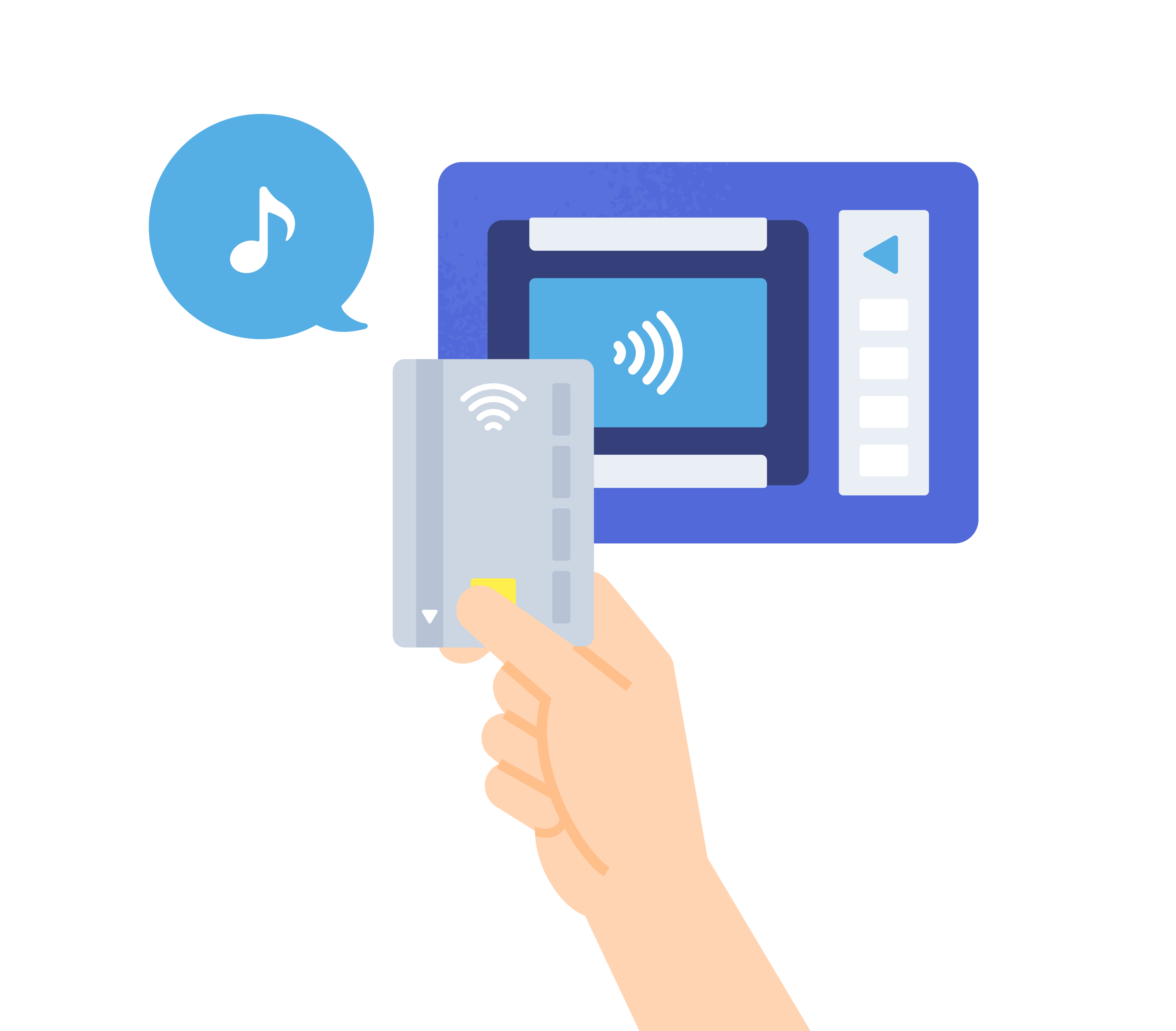
Using the system is surprisingly simple. If you’ve ever paid with a contactless card at a grocery store or coffee shop, you’ll already know exactly what to do.
(1) What You'll Need
All you need is a contactless payment card or a smartphone or smartwatch with a supported card added to its digital wallet.
*The contactless symbol refers to the four curved lines on the card that look like a Wi-Fi symbol. If your card has this symbol, simply tap it on the ticket gate reader to pay your fare.
Supported Brands
Contactless cards from major international payment networks, including JCB, are all supported.
Devices
- Smartphone
- Smartwatch (Apple Pay / Google Pay)
(2) How to Ride
- Check the Ticket Gate: Use the ticket gate equipped with a dedicated reader displaying the credit card/contactless symbol.
- Touch: Hold your card or smartphone over the reader. If you hear a beep, you're good to go.
- Touch at Your Destination: At your destination station, simply touch the same card or device again. The fare will be automatically deducted from your card later.
(3) Fare System
The same "regular fare (in 10-yen increments)" as when purchasing a ticket applies. In addition, the transfer discount between Tokyo Metro and Toei Subway (70 yen off) is also available. The fact that this discount, previously limited to IC cards, is now available with credit cards is a major benefit.
Important Points! Things to Watch Out For
Contactless card payments make getting around Tokyo easier than ever—but there are still a few limitations to be aware of.
(1)Child fares aren’t available yet
At present, contactless payments are only available for adult fares. If you’re travelling with children, they’ll still need a child IC card or a paper ticket.
(2) Transfers to JR East aren’t fully supported
JR East is not one of the 11 participating operators. If your journey involves transferring to a JR East line, you may need to exit the ticket gates and pay separately.
(3) One card per passenger
Each traveller must use their own contactless card or smartphone. A single card cannot be used to pay for multiple passengers.
(4) Set up your device before you travel
To breeze through the ticket gates just like you would with Suica, make sure your device is configured in advance.
・iPhone and Apple Watch: Enable Express Mode in Apple Wallet. This lets you pass through the gates with a simple tap—no need to wake your device or authenticate with Face ID or Touch ID.
・Android: In Google Wallet, consider turning off “Require device unlock for transit.” This allows you to tap through ticket gates without unlocking your phone, making travel quicker and smoother, especially during busy commuting hours.
(5) Overseas cards may incur foreign transaction fees
If you’re using a credit card issued outside Japan, your card provider may charge a foreign transaction fee for each fare. While the cost of each individual trip is small, the fees can add up over the course of your visit. For many travellers, the convenience of skipping ticket machines and cash top-ups will still outweigh the extra cost—but it’s worth keeping in mind.
So, Which is Better: “Suica” or “Credit Card Tap Payment”? (Comparison Table)
| Item | Credit Card Touch Payment | Transit IC Card (Suica/PASMO) |
| Preparation | None needed (use your existing card) | Required (purchase or app setup) |
| Charge | Not required (postpaid) | Required (need to manage balance) |
| Child Fare | Not supported (adult fare only) | Supported |
| Use on JR East | Not available for mutual use at this time | Available nationwide in Japan |
| Recommended for | Short-term tourists Anyone who finds topping up a hassle |
Those traveling with children People traveling all over Japan |
Whether contactless credit card payment or a Suica/PASMO card is the better option ultimately depends on how you plan to travel.
If you’re visiting Japan for a short trip or simply want the easiest way to get around, contactless payment is hard to beat. There’s no need to pay a ¥500 deposit or top up your balance, and you’ll still receive the same ¥70 transfer discount between Tokyo Metro and Toei Subway that IC card users enjoy.
On the other hand, if you’re traveling with children or planning to explore more of Japan, Suica or PASMO is still the more practical choice. Contactless payment currently supports adult fares only, and as of March 2026, seamless transfers to JR East lines are not yet available. If you’ll be traveling more extensively throughout Japan, transportation IC cards continue to offer the greatest flexibility.
Travel Around Tokyo Seamlessly!
March 25, 2026 marks a major milestone for getting around Tokyo. With 11 major railway and subway operators and 729 stations across the Kanto region now connected through contactless payment, even journeys involving multiple lines can be made with a single tap. Using nothing more than your everyday credit card or smartphone, navigating one of the world’s most complex rail networks is about to become easier than ever.
While contactless payment has already been introduced on systems such as the Fukuoka City Subway and Osaka Metro, bringing together Tokyo’s 11 major railway and subway operators is a game changer. If you’re planning a trip to Japan in 2026, contactless rail payment is one new feature you’ll definitely want to take advantage of.
References:
・PR TIMES (Tokyu Corporation)
・PR TIMES (Sumitomo Mitsui Banking Corporation)
・Google Wallet Help “Using Google Wallet for Public Transportation”
・Tabisapo (Powered by Sumitomo Mitsui Card) What are the fees for using credit cards overseas? Explanation of calculation methods and benefits (Published 2025.07.15)
Contents Source
This information is sourced by JTB Co., Ltd.
There may be business closures, changes to hours of operation,
or temporary suspension of the service of alcoholic beverages, etc.,
implemented without prior notice.
For details, please check the official websites or inquire with the
establishments directly.