Renowned for its artful presentation, fresh seasonal ingredients, and health-conscious balance, Japanese cuisine continues to earn high praise across the globe. But Japan’s food scene doesn’t stop at tradition — it enthusiastically embraces international flavors, from Chinese and Western dishes to an eclectic mix of global fare. Over time, many of these influences have been reinvented in true Japanese style, resulting in entirely original creations. You might be surprised to learn that some dishes you assumed were foreign imports are actually homegrown classics.
In this article, we take a closer look—complete with photos—at beloved staples like Napolitan pasta and Tianjin rice, exploring the history and charm behind these classic Japanese favorites.
Dining & Food
Jan 30. 2026
Surprising Foods That Actually Originated in Japan: Napolitan, Omelette Rice, and Tianjin Rice
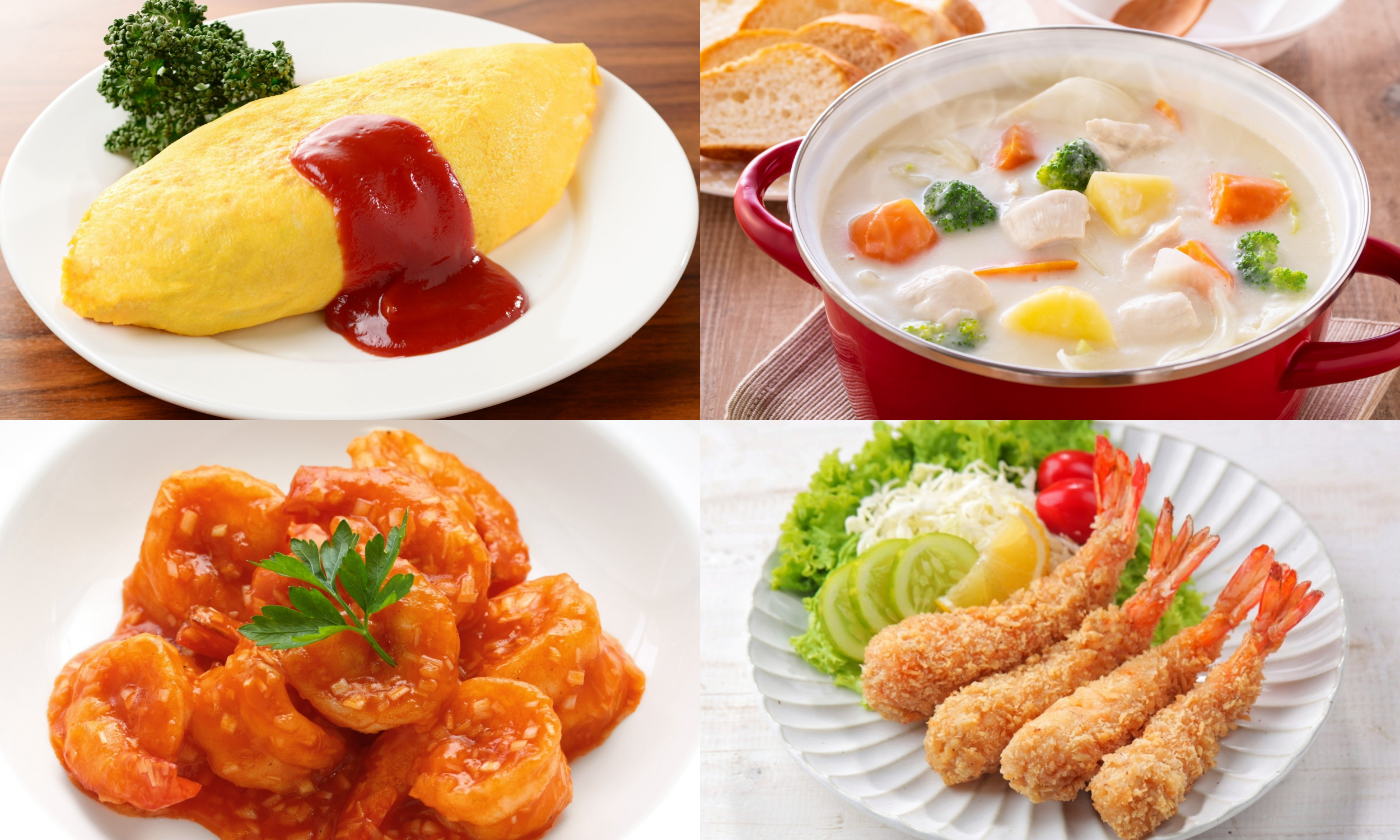
10 Foods That Actually Originated in Japan
Napolitan

Despite its name, Napolitan isn’t from Naples, Italy — it’s a uniquely Japanese creation. The dish is said to have originated in the early Showa era, when Shigetada Irie, the second head chef of Yokohama’s Hotel New Grand, combined tomato sauce with spaghetti to craft what would become Napolitan.
While today’s version is typically tossed in sweet tomato ketchup, the original was made with fresh tomatoes and canned whole tomatoes. As for the name, one theory holds that tomato-based sauces were generally referred to as “Neapolitan-style” at the time. Others believe it simply evoked an exotic flair that made the dish more enticing.
The classic Napolitan features a ketchup-based sauce, sautéed vegetables like bell peppers and onions, and familiar proteins such as sausage or bacon — all stir-fried into a nostalgic, comforting plate that’s tailored to Japanese tastes. It’s a beloved staple not just in home kitchens, but also a go-to favorite at retro-style cafés across the country.
Doria
Like Napolitan, Doria is said to have originated at the Hotel New Grand in Yokohama. The dish was created by the first executive chef, Sally Weil, for a guest who was feeling unwell.
Doria is a baked rice casserole, made by layering butter rice or chicken rice with a rich white sauce and a generous topping of cheese, then baking it in the oven until golden and bubbling. The creamy sauce and crisp, savory cheese make for an irresistible combination that perfectly suits Japanese palates. Over time, it became a beloved home-cooked favorite.
Though similar to gratin, Doria’s defining feature is the use of rice instead of pasta or potatoes. Popular variations include shrimp or chicken, and some versions even swap in meat sauce or curry, making it a versatile dish loved by kids and adults alike.
Omurice
A beloved staple of Japanese yoshoku (Western-style cuisine), omurice is a dish nearly everyone in Japan has tasted at least once. Despite its French-sounding name — a playful blend of "omelette" and "rice" — omurice is a uniquely Japanese creation.
At its heart, omurice is a comforting dish of ketchup-seasoned rice stir-fried with chicken and onions, then wrapped in a fluffy, golden omelette. It’s endlessly customizable: some top it with rich demi-glace, others draw playful designs in ketchup — a fun ritual especially loved by kids. From nostalgic childhood meals to café classics, omurice is a feel-good favorite cherished by all ages.
Cream Stew
Cream stew is a Japanese dish that was adapted from Western-style stews during the Meiji era to suit Japanese ingredients and tastes. Today, cream stew is a staple of school lunches and a beloved wintertime dish in homes across Japan — often featured in heartwarming TV commercials where families gather around the dinner table.
Typically made by simmering vegetables like carrots, onions, and potatoes with meat or seafood in a creamy, flour-based white sauce, the dish is sometimes finished with milk or soy milk for extra richness. Its gentle flavor has broad appeal, winning hearts across generations. The development of instant cream stew roux played a major role in bringing it into everyday kitchens.
Each household tends to have its own take on the recipe, making it a dish full of personal and nostalgic variation. While often served with bread, it’s just as common to enjoy cream stew over a bed of warm rice.
German Potatoes
With a name like “German potato,” most people assume this dish hails from Germany — but no such dish exists under that name in German cuisine. In reality, German potato is yet another inventive creation born in Japan.
This simple yet satisfying dish features potatoes sautéed with bacon, seasoned with salt or consommé, and finished with butter and parsley. Its name likely stems from the popularity of potato dishes in Germany, paired with a sense of admiration for German culture in Japan at the time.
Sometimes topped with mayonnaise or ketchup, German potato is a beloved side dish — especially popular paired with ice-cold beer.
Korokke (Croquettes)
The "korokke" croquette is a true staple of Japanese home cooking — but its origins trace back to the French croquette. When the dish first arrived in Japan around 1872, the popular version featured a creamy béchamel filling, just like in France. However, with dairy products still a luxury at the time, Japanese cooks began using potatoes instead — a more affordable, accessible alternative. Thus, the potato-based korokke was born, marking the start of its uniquely Japanese evolution.
Today, when you hear “korokke,” it usually refers to the classic mashed potato variety, but there’s an endless array of styles: pumpkin korokke, creamy white-sauce versions, and menchi-katsu — a hearty patty of minced meat and onions, breaded and deep-fried. Whether picked up from a supermarket deli or freshly fried at a specialty shop, korokke is an essential part of daily life in Japan.
Ebi Fry (Fried Shrimp)
Ebi fry is another classic of Japanese yoshoku cuisine and a staple in children’s meals at family restaurants — but despite its Western appearance, it originated in Japan. The dish consists of shrimp coated in breadcrumbs and deep-fried, prized for its crispy exterior and juicy, springy texture. One widely accepted theory is that it was first made around 1900 by the Western-style restaurant Rengatei in Tokyo’s Ginza district, where it was originally served as a high-end dish.
The typical preparation involves cleaning the shrimp, then coating them in flour, egg, and panko before frying. For a long time, ebi fry was considered difficult to make at home — but with the arrival of frozen versions in the 1960s, it became a convenient option for home-cooked meals and lunchboxes. It’s commonly enjoyed with tartar sauce or lemon juice, and served in various forms at both Japanese and Western-style restaurants.
Tenshinhan (Tianjin Rice)
Though often considered a classic of Chinese cuisine, tenshinhan, or Tianjin rice, is in fact a Japanese original. Its origins are debated, with some attributing it to Rairaiken in Tokyo and others to Taishoken in Osaka. The dish is believed to have evolved from fu yung hai — a Cantonese-style stir-fry of crab and egg — by placing the fluffy egg mixture over rice and topping it with a sweet-and-sour sauce.
Tenshinhan is defined by its airy omelette filled with vegetables or crab, paired with a tangy, glossy sauce that complements the rice perfectly. There are two main regional styles: in Kanto, a sweeter, ketchup-based sauce is common, while Kansai prefers a lighter, soy sauce–based version. The variations in flavor and ingredients across regions are part of its charm. A staple menu item, tenshinhan is widely available at Chinese restaurants, set-meal diners, and ramen shops throughout Japan.
Chili Shrimp
Chili Shrimp is a stir-fried dish featuring shrimp cooked in a sweet and spicy chili sauce. Though it may look like an authentic Chinese dish, it was actually created in Japan. Its roots can be traced to the Sichuan dish gan shao xia ren — stir-fried shrimp in chili sauce.
A chef named Chen Kenmin is credited with adapting the original recipe to better suit Japanese tastes. He adjusted the flavors by adding ketchup and egg while reducing the amount of strong spices. This resulted in the current version of Chili Shrimp, which became widely popular. The dish's sweet and tangy sauce, combined with the plump texture of shrimp, makes it highly appealing. Today, it is a staple at Chinese restaurants across Japan and is also commonly prepared at home.
Hiyashi Chuka (Chilled Chinese Noodles)
Hiyashi chuka is a quintessential Japanese summer dish — a chilled noodle creation that signals the arrival of sweltering days ahead. Spotting it on a menu outside a restaurant has become something of a seasonal ritual, evoking the feeling that summer has truly begun. Made with boiled Chinese-style noodles rinsed in cold water, hiyashi chūka is typically topped with colorful ingredients like ham or char siu, shredded omelette, cucumber, and tomato, then finished with a sweet-and-sour soy-based sauce. The vibrant presentation and refreshing flavors make it especially appealing during the heat of summer, even when appetites wane.
While its roots are thought to trace back to the Chinese cold noodle dish liangbanmian, hiyashi chuka as we know it was created around 1937 by Ryutei, a Chinese restaurant in Sendai, Miyagi Prefecture. Its harmony with Japan’s climate and culinary preferences helped it spread nationwide. Today, it’s a popular choice for casual summer lunches at home, readily available in supermarket deli sections and convenience stores — and, of course, at Chinese restaurants, where it’s often served as a seasonal, summer-only specialty.
Foods That Did Not Originate in Japan
Not all dishes considered part of Japanese cuisine actually originated in Japan.
Ramen
Origin: China
Ramen, a beloved national dish enjoyed by people of all ages, traces its roots to Chinese noodle cuisine, which was introduced to Japan in 1859 with the opening of the country’s ports. The Japanese were already fond of noodles, as they regularly consumed udon and soba, which contributed to ramen’s widespread acceptance.
One of ramen’s greatest appeals is the variety of soup bases available, making it an endlessly enjoyable dish. Discussions about favorite ramen flavors are common in daily conversations, and ramen shops frequently appear in the media. Many popular ramen shops have long queues, reflecting their high demand.
Regional varieties of ramen have also emerged throughout Japan. With the invention of instant ramen, the dish became an integral part of Japanese cuisine. Additionally, Japanese ramen has gained international recognition, with some ramen shops even earning Michelin stars.
Gyoza (Dumplings)
Origin: China
Gyoza, along with ramen, is a widely loved dish in Japan. Although it originated in China and was introduced to Japan during the Meiji era, it has since evolved into a uniquely Japanese version.
In China, boiled dumplings (shui jiao) are more common, while in Japan, "gyoza" typically refers to pan-fried dumplings. Japanese gyoza is known for its thin, crispy skin and is often eaten as a side dish with rice. The filling can vary, incorporating vegetables, garlic, meat, or seafood, providing a well-balanced and satisfying meal.
Some regions in Japan are famous for their gyoza culture, particularly Utsunomiya in Tochigi Prefecture and Hamamatsu in Shizuoka Prefecture, both of which attract gyoza enthusiasts from across the country and beyond.
Curry Rice
Origin: India
Curry rice is a staple of Japanese home cooking and a popular dish even in school lunches. Japanese curry originated from India, was introduced to the UK, and then made its way to Japan in the early Meiji period in the form of curry powder. Later, domestically produced curry powder became available, leading to the creation of dishes such as "curry udon" and "curry nanban," which incorporate Japanese dashi broth.
In the 1950s, solid curry roux in block form was introduced, making curry an easy-to-prepare dish at home. The introduction of instant curry, which can be quickly heated in boiling water, further popularized it. Many households even keep curry as an emergency food supply in case of natural disasters. Each family has its own variation with different ingredients and secret flavors, making the variety of curries endless. Curry roux is also a popular souvenir among visitors to Japan.
Tempura
Origin: Portugal
Tempura is widely recognized globally, much like sukiyaki. Although it is a beloved Japanese dish today, it was introduced by the Portuguese during the Muromachi period. The name is believed to originate from the Portuguese word "temporas." At the time, cooking oil was a rare and valuable commodity in Japan, making tempura a luxury item that was not widely consumed. However, in the early Edo period, oil production increased, allowing tempura to spread among the common people.
Originally, tempura was served as a street food, skewered to avoid getting hands dirty, and eaten as a snack. Over time, it evolved from a casual food into a refined dish served in specialty restaurants and fine dining establishments. Today, tempura is not only a home-cooked dish but also an essential part of celebrations such as New Year’s and special occasions.
Sushi
Origin: Southeast Asia
Sushi is one of the most iconic Japanese foods. Given Japan’s geography, surrounded by the sea, it has long been customary to eat fresh fish raw. Many people assume sushi is originally a Japanese creation, but it is said to have evolved from "narezushi," which was introduced to Japan from Southeast Asia during the Nara period. Unlike modern sushi, narezushi was made by fermenting salted fish with rice until the rice turned into a mushy consistency. This method was primarily used to preserve fish for long periods.
Nigiri sushi, the hand-pressed sushi commonly known today, emerged in the late Edo period. Much like tempura, it was originally sold as street food, featuring fresh seafood placed atop vinegared rice. Since it used fish from Tokyo Bay, it became known as "Edomae Sushi." At that time, sushi pieces were over twice the size they are today and were often cut before eating.
It was in the Meiji period that sushi took its modern form, and by the Taisho era, refrigerators allowed for a wider variety of seafood and smaller portion sizes. Sushi gradually took on a form uniquely its own in Japan — a culinary evolution that transformed it into a global favorite. Sushi can be enjoyed in many ways, from high-end restaurants where each piece is handcrafted before your eyes to conveyor belt sushi spots where diners can freely pick their favorite selections.
These dishes have undergone unique transformations after arriving in Japan, adapting to local tastes and becoming essential parts of Japanese culture. Why not compare them with their original versions and see the differences for yourself?
Contents Source
This information is sourced by Fun Japan Communications Co., Ltd.
There may be business closures, changes to hours of operation,
or temporary suspension of the service of alcoholic beverages, etc.,
implemented without prior notice.
For details, please check the official websites or inquire with the
establishments directly.